
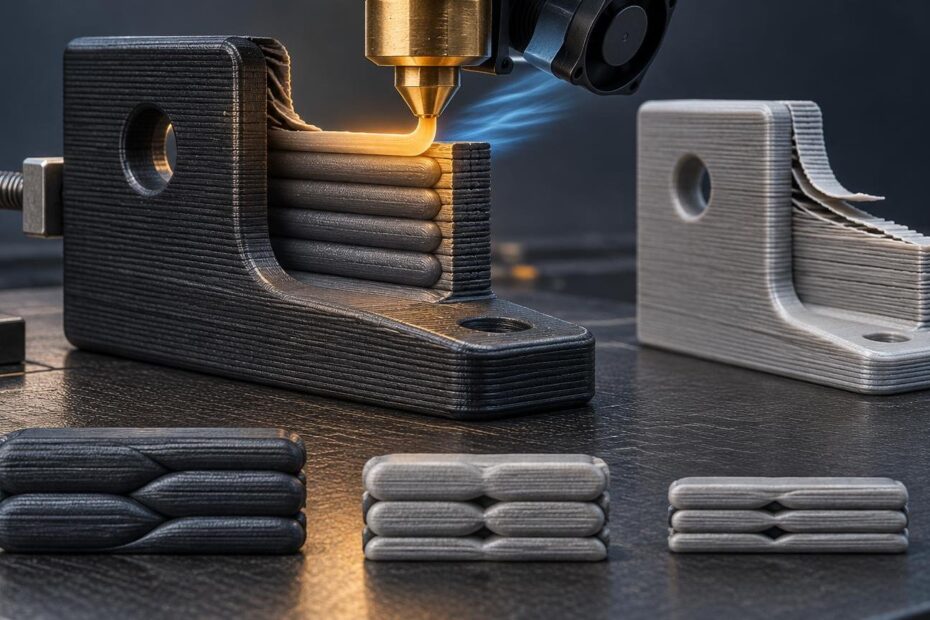
Weak Layer Adhesion: Temperature, Cooling, and Geometry Fixes
A practical workflow for diagnosing weak layer adhesion and improving interlayer strength through temperature, cooling, extrusion, geometry, and print orientation.
A practical workflow for diagnosing weak layer adhesion and improving interlayer strength through temperature, cooling, extrusion, geometry, and print orientation.

Variable layer height speeds up FDM prints by using thick layers on simple geometry and fine layers only where curves, slopes, and visible details need them.
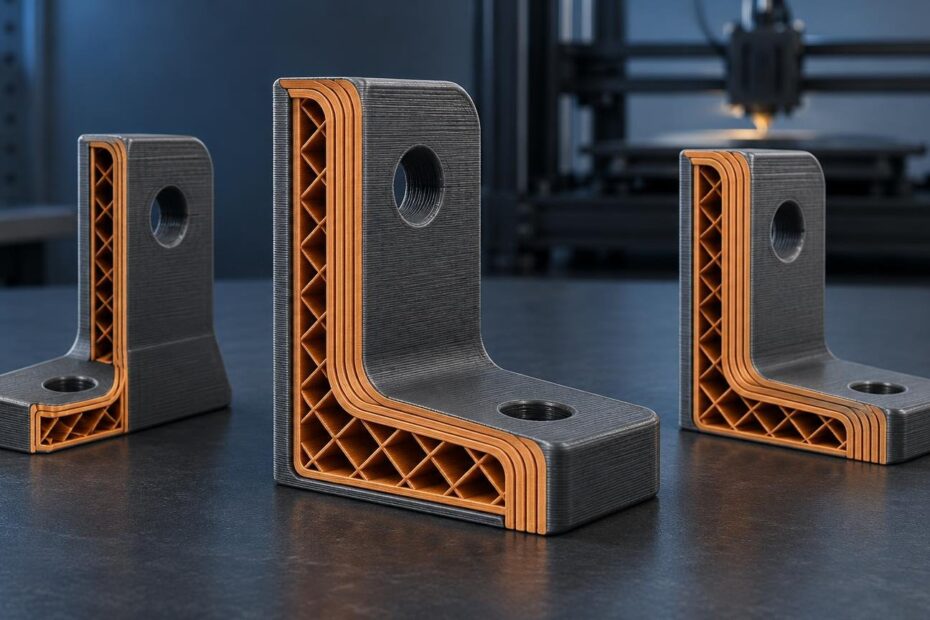
Two walls suit light-duty prints, three are a strong default for functional parts, and four or more belong on parts that need extra rigidity, impact resistance, or leak resistance.
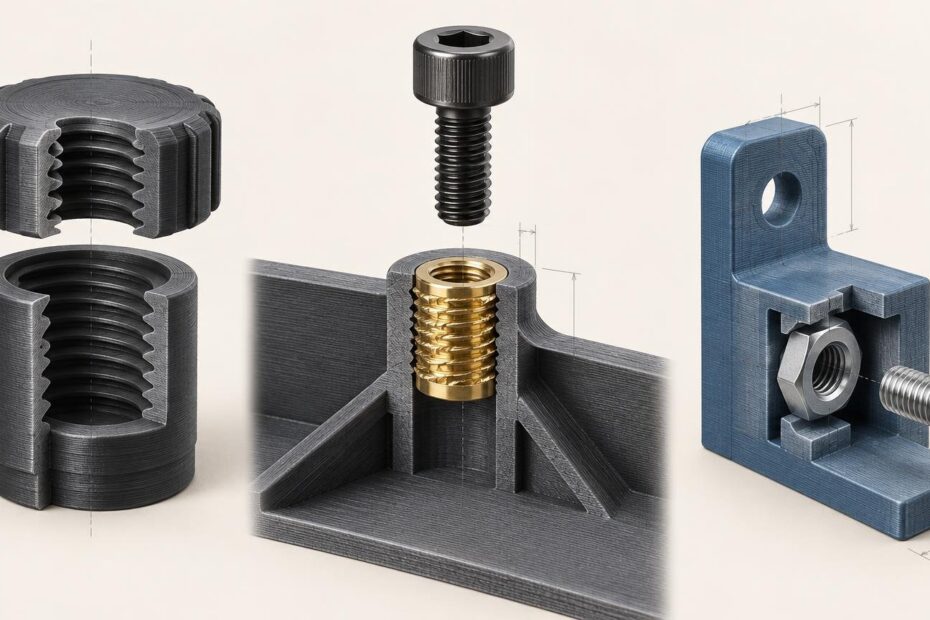
Choose the right fastening method for an FDM part, then design and test the connection around its load, service frequency, material, nozzle, and print orientation.
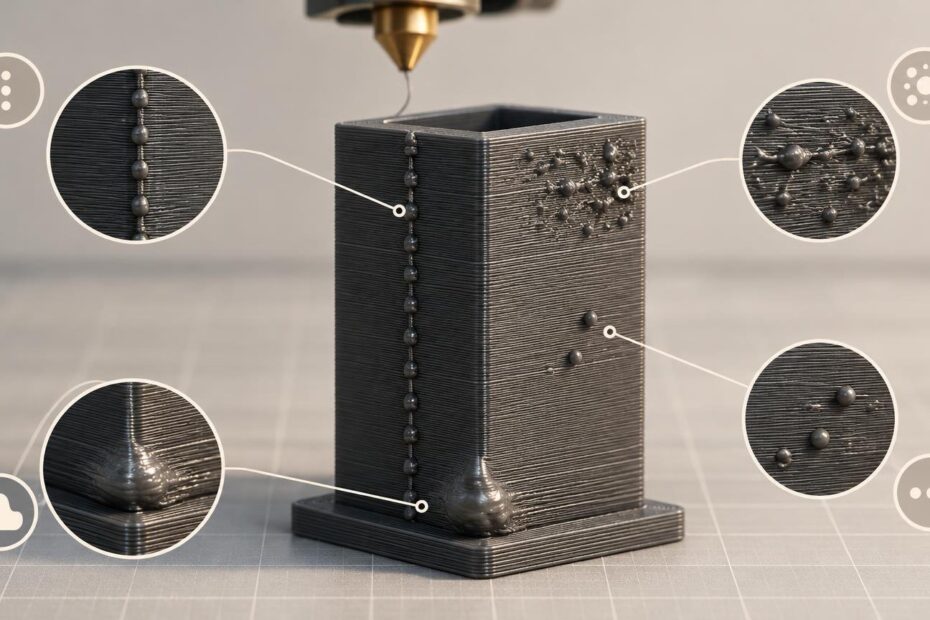
Learn to diagnose FDM blobs and zits by where they appear, from vertical Z seams and swollen corners to travel dots, wet-filament defects, and pause marks.
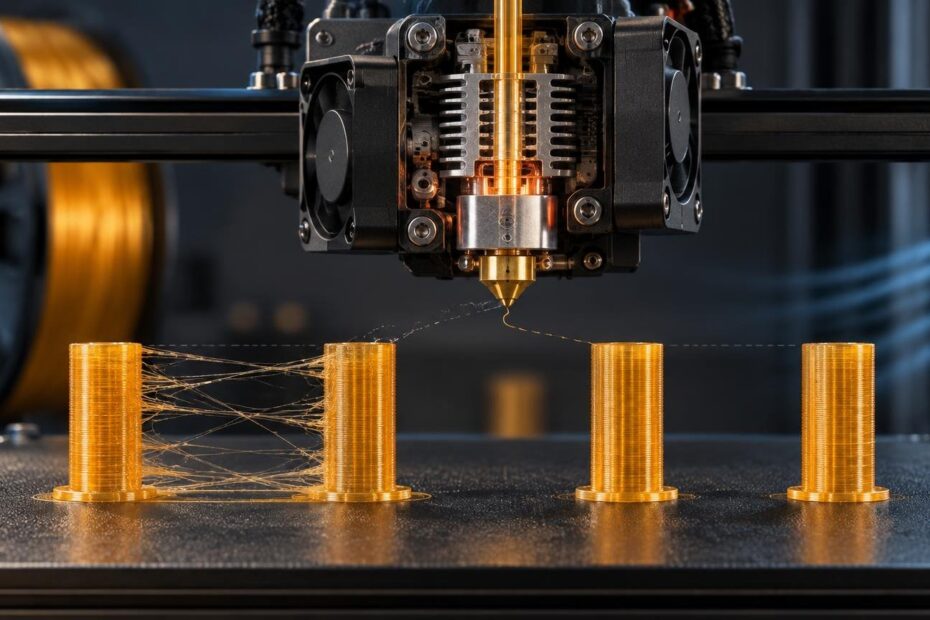
Reduce PETG hairs and webs with a controlled troubleshooting sequence that accounts for filament moisture, nozzle temperature, retraction, travel moves, cooling, and hardware condition.
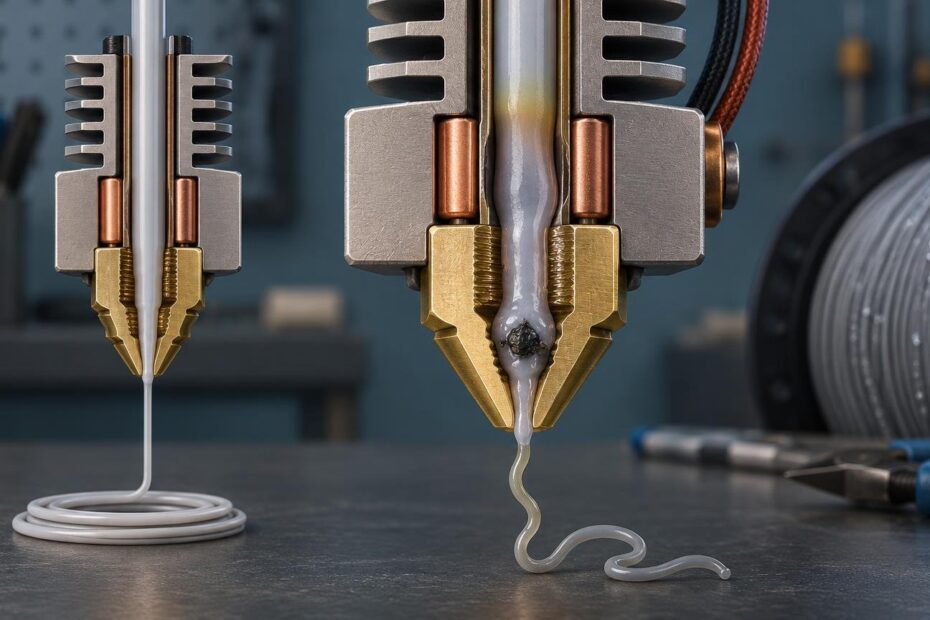
Learn how to distinguish a partial nozzle clog from first-layer restriction, heat creep, wet filament, extruder trouble, and excessive flow demand.
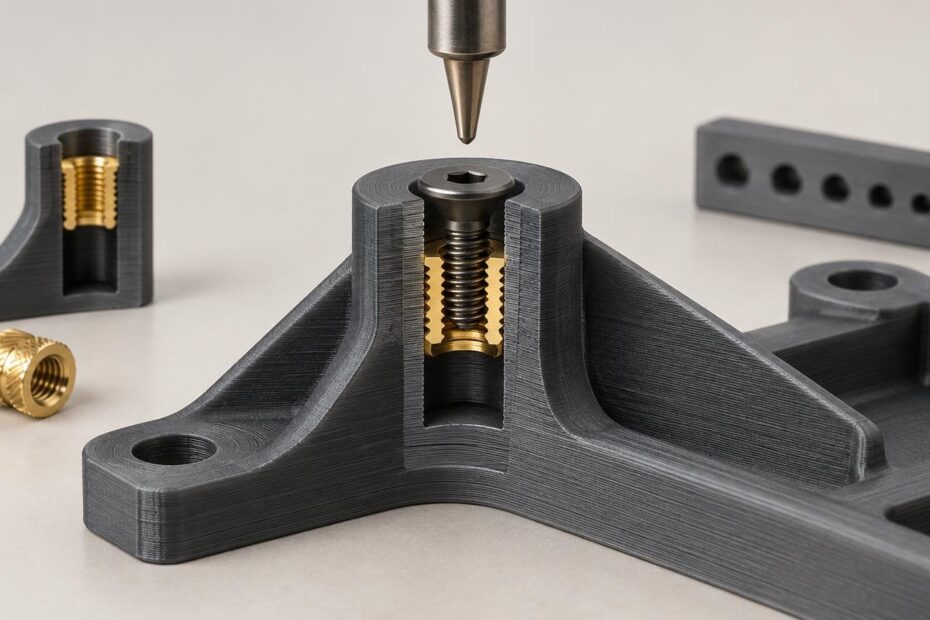
Design reliable FDM bosses for heat-set inserts by choosing the insert first, calibrating the pilot hole, providing installation access, and testing the complete joint.
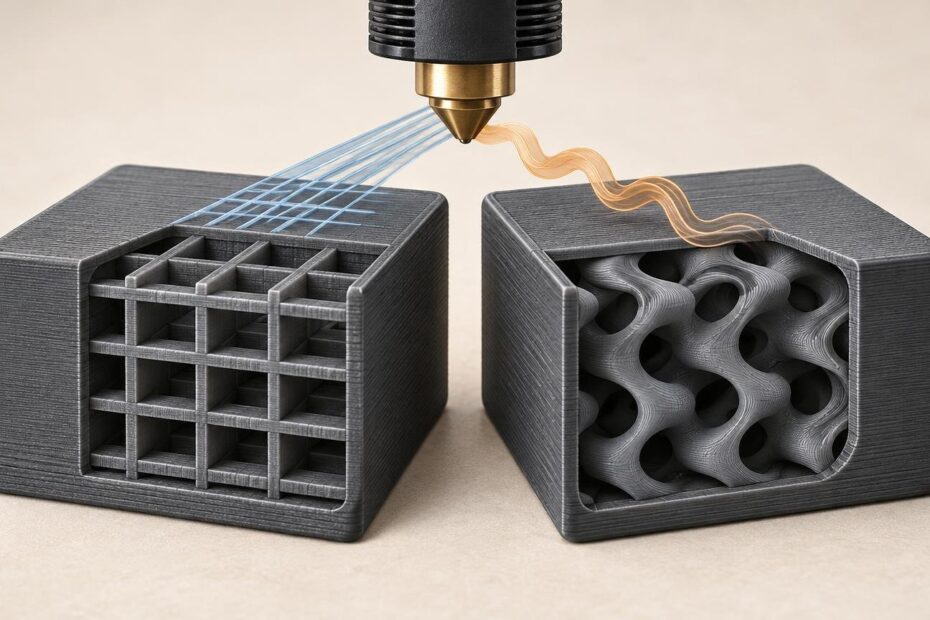
Choose between gyroid and grid infill by matching the pattern to the load, material, slicer behavior, and print reliability—not by chasing a universal winner.
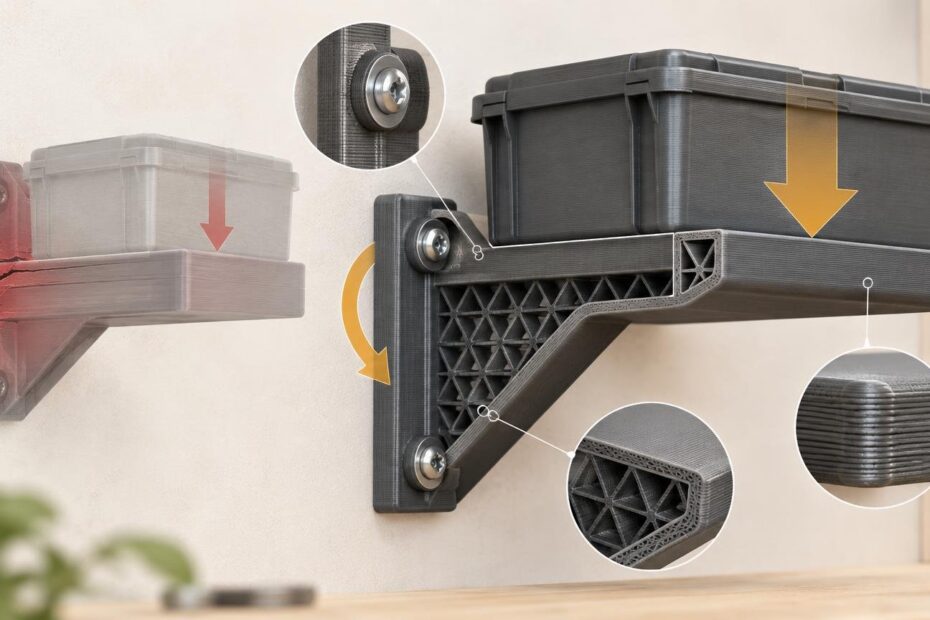
A practical guide to stronger FDM wall mounts, covering load direction, bracket geometry, print orientation, perimeters, materials, fasteners, and testing.